The hidden psychology behind gambling decisions in a high-stakes casino environment
The allure of high-stakes gambling
The thrill of high-stakes gambling draws individuals into a world where risk and reward coexist. The atmosphere of a casino is carefully crafted to stimulate the senses, from the bright lights to the sound of chimes and cheers. This sensory overload activates the brain’s pleasure centers, creating a euphoric feeling that can cloud judgment. Gamblers may become so immersed in this environment that they overlook the potential consequences of their decisions, leading them to make impulsive bets. By understanding these dynamics, players can read more about the psychological influences at play.
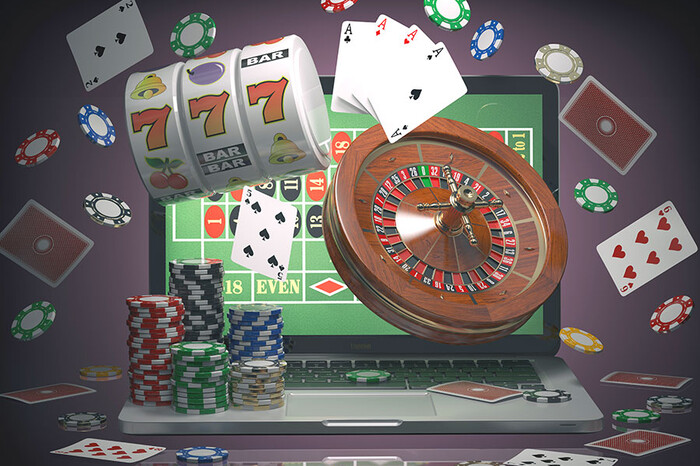

Moreover, the social aspect of gambling plays a significant role in decision-making. The camaraderie experienced at a gaming table can encourage individuals to bet more than they initially intended. Observing others winning can trigger feelings of competition, prompting a gambler to take greater risks. This blend of excitement, social influence, and sensory stimulation can create a powerful psychological cocktail that drives gambling behavior.
The role of cognitive biases
Cognitive biases are systematic errors in thinking that can influence decision-making. In a high-stakes casino environment, biases such as the illusion of control and gambler’s fallacy can heavily impact choices. The illusion of control leads players to believe they have more influence over random outcomes than they actually do. This belief can encourage them to make more reckless bets, as they feel confident in their ability to sway the results.
Similarly, the gambler’s fallacy, the belief that past outcomes influence future results, can mislead players into thinking they are “due” for a win. Such misconceptions can perpetuate a cycle of risk-taking behavior, resulting in losses that players try to recover through increasingly desperate bets. Understanding these cognitive biases can shed light on why individuals make decisions that ultimately lead to detrimental outcomes.
The impact of emotions on gambling behavior
Emotions play a pivotal role in gambling decisions, particularly in high-stakes environments. When players experience heightened emotions, whether it’s excitement from a win or frustration from a loss, their judgment can become impaired. High-stakes gambling often magnifies these emotional responses, leading to irrational decisions. For instance, a big win can create a false sense of invincibility, while a loss might trigger anger or despair, prompting the gambler to chase losses.
Furthermore, research indicates that emotional states can influence risk preferences. Under stress or heightened emotion, individuals might gravitate toward riskier bets in an attempt to regain control or recapture feelings of euphoria. This emotional rollercoaster can trap players in a cycle of highs and lows, making it difficult for them to step back and evaluate their strategies logically.
The influence of environment and design
The casino environment itself is a carefully designed space intended to promote gambling behavior. Elements such as the layout, lighting, and sound are all strategically implemented to keep players engaged. For instance, casinos often lack clocks and windows, creating a timeless experience that encourages extended play. This design decision fosters an immersive atmosphere where gamblers may lose track of time and money.
Additionally, the placement of machines and tables is not random; it is designed to enhance social interaction and stimulate spending. High-stakes areas might feature exclusive lounges or VIP sections that reinforce a sense of status and allure, encouraging players to engage in riskier bets to maintain their perceived prestige. The combination of physical space and psychological nudges enhances the likelihood of gambling, revealing the profound impact of environmental factors on decision-making.


About Tachyon Project
Tachyon Project is committed to exploring innovative solutions and insights in technology, aiming to offer valuable resources and updates to its users. Although the platform is currently facing technical issues, it continues to engage with the community and provide support for tech-related endeavors. By focusing on cutting-edge information, Tachyon Project aspires to enrich users’ understanding of technology and its applications.
As the team works to restore access, visitors can anticipate exciting developments and opportunities for community engagement. The goal is to provide a robust platform where individuals can gather insights, share experiences, and explore the ever-evolving world of technology, much like how gamblers explore the complex psychology behind their high-stakes decisions.