

In today’s globalized economy, sanctions play a critical role in foreign policy and national security. The Office of Foreign Assets Control (OFAC) of the U.S. Department of the Treasury administers and enforces economic and trade sanctions against targeted foreign countries and regimes. These sanctions can significantly affect international relations as well as individual and corporate actions. To gain a clearer understanding of what OFAC sanctions entail, it is essential to delve into their purpose, classifications, and how they influence various stakeholders. For more nuanced details, check out OFAC sanctions programs.

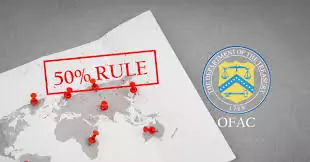
What are OFAC Sanctions?
OFAC sanctions are measures enforced by the U.S. government to achieve specific foreign policy and national security objectives. These sanctions can restrict or prohibit transactions and interactions with designated individuals, entities, or countries. The overarching goal is to prevent the proliferation of weapons of mass destruction, deter terrorism, and address human rights violations. Sanctions serve not just as punitive measures but also as tools of diplomacy, aimed at fostering compliance with international norms and standards.
Types of OFAC Sanctions
OFAC sanctions can be broadly classified into several categories, each with distinct ramifications:
1. Comprehensive Sanctions
These sanctions encompass all economic activity. For instance, the sanctions against North Korea prohibit all trade and financial interactions between U.S. individuals and entities and North Korean counterparts. Comprehensive sanctions are typically imposed in response to significant threats to U.S. national security or international peace.
2. Targeted Sanctions
Unlike comprehensive sanctions, targeted sanctions focus on specific individuals or entities. This includes the freezing of assets and restrictions on transactions related to those identified in the Specially Designated Nationals (SDN) list. Targeted sanctions aim to minimize economic impacts on the general population while still achieving policy objectives related to specific actors.
3. Sectoral Sanctions
Sectoral sanctions limit specific sectors of the economy of a designated country. For example, OFAC may impose restrictions on the financial sector, energy sector, or defense industry of a particular nation, impacting businesses operating within those industries. These sanctions are strategic tools designed to weaken particular economic sectors without affecting the nation’s overall economy.
The Mechanism of OFAC Enforcement
OFAC employs various means to enforce sanctions, including compliance checks, investigations, and penalties for violations. Institutions and individuals are required to perform due diligence to ensure they do not engage in prohibited transactions. Financial institutions, in particular, face significant scrutiny and must implement compliance programs that include screening transactions against the SDN list and monitoring for potential sanctions violations.
Implications for Businesses
Understanding OFAC sanctions is crucial for businesses operating internationally. Non-compliance can lead to significant fines, loss of reputation, and legal consequences. Companies are encouraged to develop robust compliance programs that not only address sanctions risk but also create a culture of awareness regarding international regulations. Training staff, implementing monitoring systems, and conducting regular audits are essential components of effective compliance strategies.
Case Studies and Examples
Numerous real-world cases highlight the challenges and consequences of non-compliance with OFAC sanctions. For example, in 2019, a notable bank faced millions in penalties for facilitating transactions that violated sanctions targeting Iran. These cases illustrate the importance of robust compliance mechanisms within financial institutions and other sectors.
Conclusion
OFAC sanctions programs play a pivotal role in shaping international relationships and trade. Understanding the nuances of sanctions is vital for individuals and businesses that operate in a globally interconnected market. By staying informed about the latest sanctions and implementing effective compliance measures, stakeholders can navigate the complexities of international economic regulations while avoiding potential pitfalls associated with violations.
In summary, OFAC sanctions are not merely bureaucratic hurdles but significant tools for enforcing U.S. foreign policy. As the global landscape continues to ev

olve, the implications of these sanctions will undoubtedly grow more complex. Therefore, ongoing education and vigilance are essential for all entities engaged in international trade and relations.
