
Understanding Representation in OFAC Matters
Effective representation is crucial in matters concerning the Office of Foreign Assets Control (OFAC). This federal agency plays a key role in enforcing economic and trade sanctions based on U.S. foreign policy and national security goals. The intricacies involved in dealing with OFAC can often lead to complex legal scenarios. Individuals and businesses facing OFAC-related issues must understand the importance of legal representation and strategic defense mechanisms. For deeper insights, you may explore representation in OFAC matters.
The Role of OFAC
The OFAC is an agency of the U.S. Department of the Treasury responsible for administering and enforcing economic and trade sanctions. These sanctions can target countries, entities, or individuals that pose threats to U.S. national security, foreign policy, or economy. A fundamental objective of OFAC is to prevent illegal activities, such as money laundering and terrorist financing, by imposing restrictions on financial transactions and asset dealings.

Understanding Sanctions
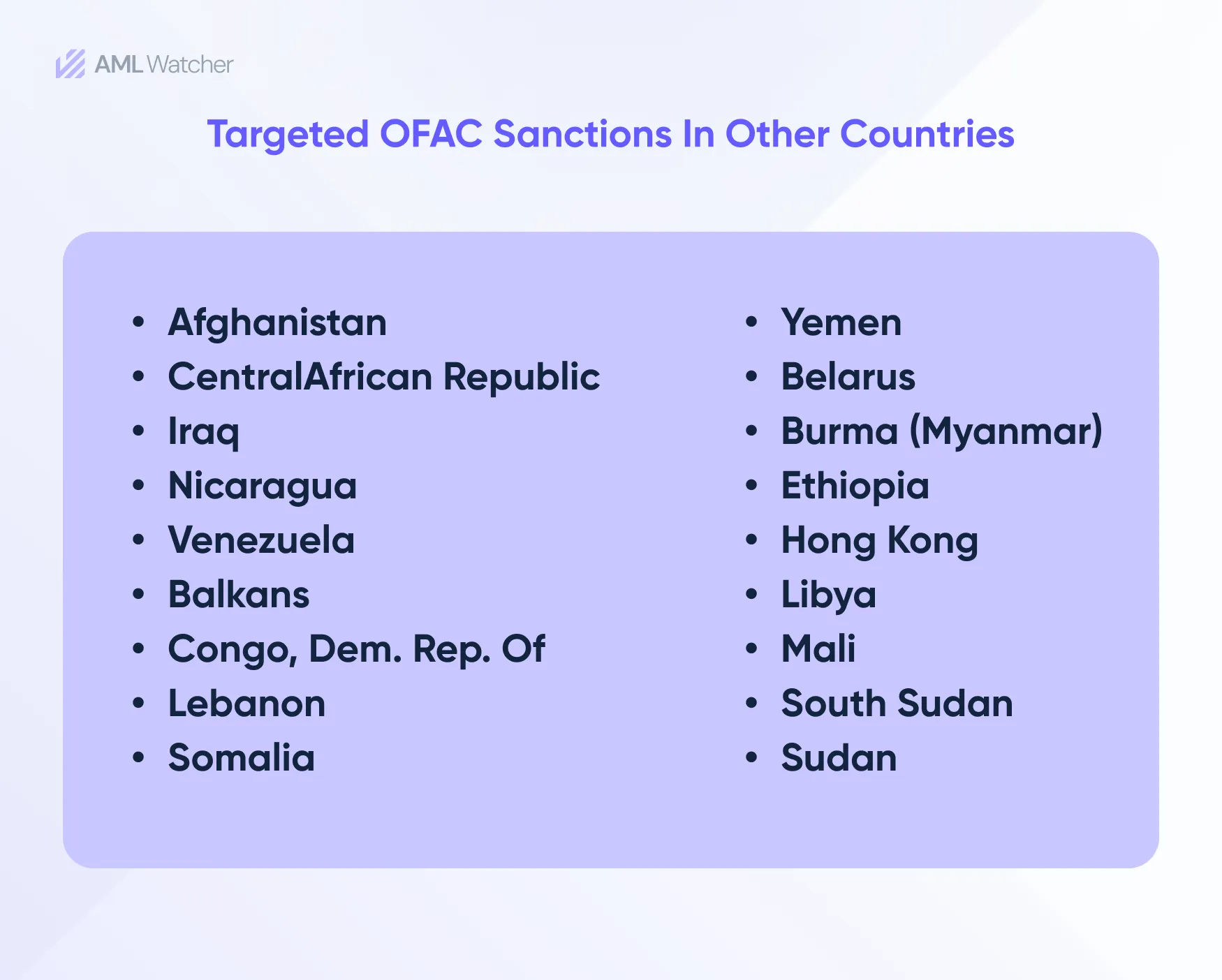
Sanctions can be comprehensive or selective, and they vary widely depending on the reasons for their imposition. Comprehensive sanctions prohibit nearly all economic activity with a targeted country, while selective sanctions may focus on specific individuals or sectors (e.g., arms, oil, etc.). Understanding the precise nature of the sanctions relevant to a case is critical for effective representation.
The Importance of Legal Representation
Engaging legal representation when faced with OFAC issues is essential for several reasons:
- Expert Knowledge: Compliance with OFAC regulations requires a thorough understanding of various laws and regulations. Lawyers specializing in sanctions law can provide essential guidance.
- Risk Mitigation: An experienced attorney can help businesses and individuals navigate the complex landscape of OFAC regulations, minimizing the risk of violations and penalties.
- Defense Strategies: If an entity is accused of a violation, legal representation is crucial for mounting a defense and negotiating potential settlements.
Legal Strategies for Compliance
To avoid complications with OFAC, entities should implement robust compliance programs. Here are some strategies:
- Due Diligence: Conduct thorough background checks on partners and clients to ensure they are not subject to OFAC sanctions.
- Training and Awareness: Regular training for employees about OFAC compliance and regulations can prevent inadvertent violations.
- Monitoring and Auditing: Establishing ongoing monitoring systems to periodically check compliance with OFAC regulations helps ensure that businesses remain within legal boundaries.
Defending Against OFAC Violations
If faced with an OFAC violation, the following defense strategies may be employed:
- Challenge the Basis of the Violation: Legal representation can help challenge the evidence or basis for the alleged violation, emphasizing any lack of intent or knowledge of the violation.
- Negotiate Settlements: Engaging with OFAC to negotiate a settlement can often lead to reduced fines or penalties in exchange for compliance improvements.
- Seek Clarification or Guidance: Sometimes, seeking clarification from OFAC regarding ambiguous regulations may assist in mitigating potential penalties.
Case Studies and Precedents
Examining past cases where legal representation played a critical role in OFAC matters reveals key insights. These cases often illustrate the importance of strategizing with competent legal counsel, as outcomes can vary significantly based on representation. Effective lawyers can turn challenging situations into favorable outcomes with careful planning.

The Future of OFAC Regulations
The regulatory landscape is constantly evolving, influenced by geopolitical shifts and U.S. foreign policy. Thus, legal representation is not just a reactive measure, but a proactive necessity. Staying updated with changes and understanding their implications is vital for effective compliance.
Conclusion
Representation in OFAC matters is fundamental for individuals and businesses navigating the complexities of U.S. sanctions laws. The involvement of experienced legal professionals not only aids in compliance but also plays a crucial role in defense during legal challenges. As the landscape evolves, staying informed and diligent is key to safeguarding against potential violations and penalties.
